
Create Fast, Create Responsibly: Originality and Ethics in the Age of AI
As creative tools become more accessible, it matters even more to know where an idea comes from and where it is going.
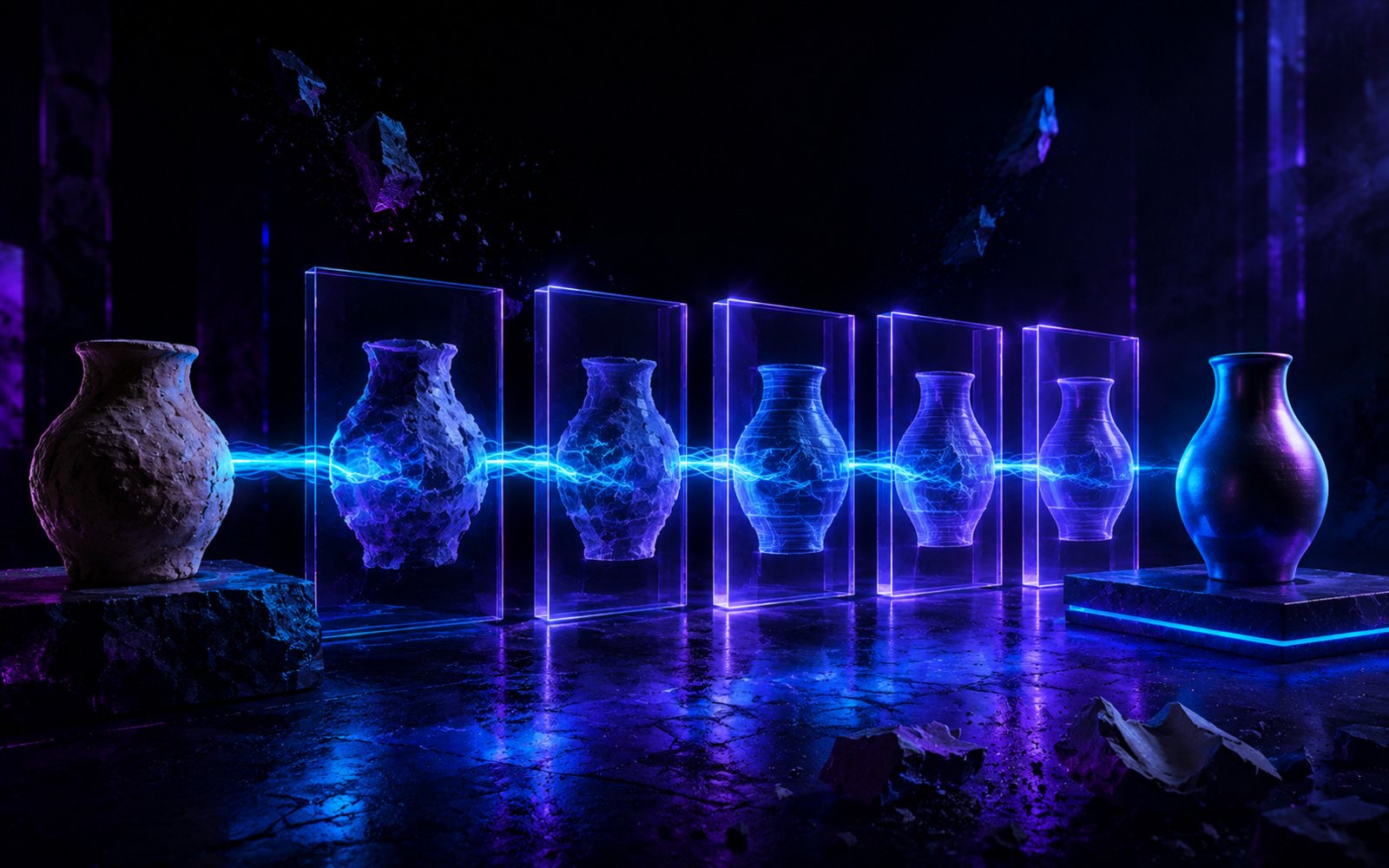
Artificial intelligence opens exciting creative possibilities, but it also invites an important conversation about originality, transparency, and responsibility. In an era when an image, text, or animation can be generated in minutes, it is easy to focus only on speed and output. Meaningful design, however, depends not only on the ability to make something, but on the ability to decide what is worth making, why, and in what way.
Originality is not necessarily an idea that has never occurred to anyone before. It often emerges from a personal connection between ideas, an understanding of context, and a fresh interpretation of a real need. AI can help open directions, but it cannot replace a designer's personal voice: their memories, curiosity, knowledge of the audience, and ability to see something familiar from an unexpected angle. As online spaces fill with similar-looking outputs, a distinct point of view becomes an even more valuable asset.
Transparency is part of professionalism. When AI has been a meaningful partner in the process, it can be valuable to say so simply and clearly, especially when work is presented to a client, a community, or a broad audience. Transparency does not reduce the value of the work. On the contrary, it highlights the process, the editing, and the human decisions that turned raw material into a considered result.
Responsibility also concerns the people represented in our outputs, the images we distribute, and the ideas we reinforce. Before publishing, it is worth pausing to ask: Could this image mislead? Does it use a symbol, person, or style in a disrespectful way? Does the message preserve trust? Questions like these do not stop creativity. They help it become more mature, more aware, and more valuable over time.
New tools do not remove the need for good design; they amplify it. In an age of visual abundance, the designer who brings curiosity, integrity, and critical thinking does not merely produce more beautiful images. They build communication that people can trust.